
Athens EMDR Therapy: Find Relief and Healing for Trauma
The lingering effects of trauma can cast a long shadow over an individual’s life, impacting their mental health, relationships, and overall well-being. For those searching for EMDR therapy in Athens, finding the right trauma-informed support and the right psychologists is an important step toward healing. Eye Movement Desensitization and Reprocessing (EMDR) therapy is a powerful, evidence-based approach that helps individuals reprocess distressing memories so they no longer carry the same emotional charge. In Athens, trauma-informed psychotherapy services continue to expand, offering multiple paths toward recovery.
As a licensed psychologist in Greece, I work holistically with trauma using body-based and nervous-system-focused methods. While I do not offer traditional EMDR therapy, I integrate Shiftwave therapy, a bilateral whole-body vibration modality that works through mechanisms similar to those used in EMDR.. Both EMDR and Shiftwave therapy offer a powerful, evidence-based path toward healing, helping individuals confront and move beyond the distressing memories and symptoms that hold them captive. This article explores the transformative potential of EMDR therapy in Athens, with a focus on Shiftwave therapy, detailing how these specialized approaches can unlock freedom from the burdens of trauma and pave the way for a more hopeful, empowered future.
The Weight of Trauma: Why Relief Matters
Trauma, whether stemming from a single overwhelming event or a series of challenging experiences, can profoundly alter an individual’s perception of themselves and the world. It can manifest in a wide array of symptoms, including persistent anxiety, intrusive thoughts, emotional numbness, and difficulty forming healthy attachments. For many, the impact extends to significant distress, impacting their daily lives. It is estimated that nearly 4% of the global population has had PTSD at some point in their lives, and in the U.S. alone, approximately 6% of the adult population will experience PTSD at some point in their lives. These statistics highlight the widespread nature of trauma’s impact. Unaddressed trauma often fuels conditions like depression, anxiety disorders, and even panic attacks, creating a cycle of suffering that can feel inescapable. The constant burden of traumatic memories can deplete a person’s energy, diminish their self-worth, and hinder their ability to experience joy and fulfillment. Recognizing the urgent need for relief is the first crucial step toward reclaiming one’s life.
Introducing EMDR Therapy: A Path to Healing and Hope

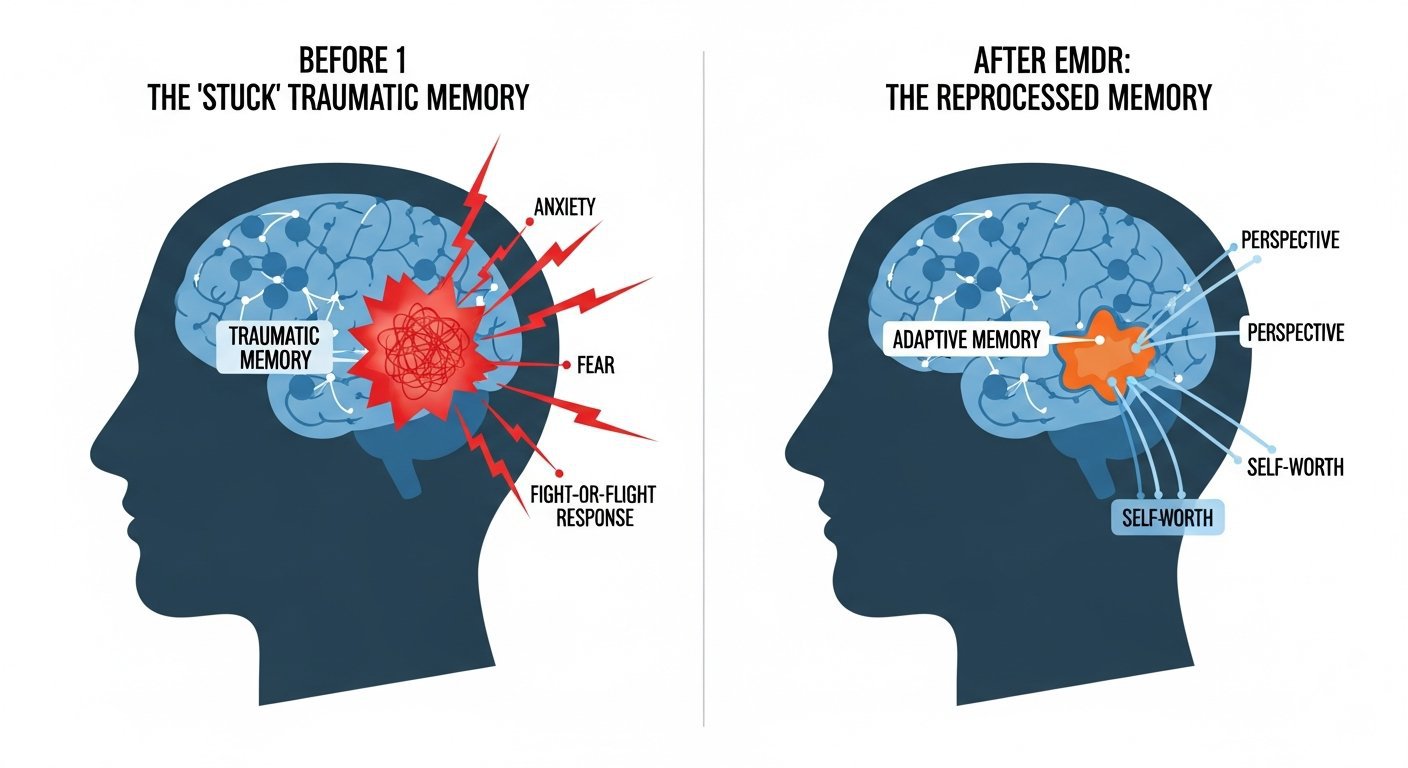
In the search for effective mental health solutions, EMDR therapy stands out as a beacon of hope for those grappling with the aftermath of trauma. EMDR, which stands for Eye Movement Desensitization and Reprocessing, is a structured psychotherapy approach designed to alleviate distress associated with disturbing life experiences. Unlike traditional talk therapy, EMDR focuses on helping the brain reprocess traumatic memories that have become “stuck” and are contributing to present-day symptoms. The goal is not to forget traumatic events, but to neutralize the distressing emotions and physical sensations attached to them, allowing individuals to integrate these experiences into their life narrative without being overwhelmed. For residents in Athens seeking a specialized and effective treatment, both EMDR therapy and Shiftwave offer a structured and scientifically validated pathway toward healing and lasting relief.
Understanding EMDR Therapy: The Science of Healing Traumatic Memories
What is Eye Movement Desensitization and Reprocessing (EMDR)?
Eye Movement Desensitization and Reprocessing (EMDR) therapy is a complex yet remarkably effective psychotherapeutic treatment developed by Francine Shapiro in the late 1980s. It is specifically designed to help individuals overcome the debilitating effects of trauma and other distressing life experiences. Unlike traditional therapies that primarily rely on verbal processing, EMDR integrates cognitive and somatic elements with a unique bilateral stimulation technique. This approach targets how traumatic memories are stored in the brain, aiming to facilitate their natural processing and integration. The efficacy of EMDR is supported by extensive research, leading to its recommendation by major health organizations globally for the treatment of PTSD and other trauma-related conditions.
How EMDR Works: Reprocessing Traumatic Memories
At its core, EMDR therapy works by helping the brain reprocess traumatic memories that have become maladaptively stored. When a traumatic event occurs, the intense emotional and physical distress can interfere with the brain’s natural ability to process and store the memory in a coherent way. These “unprocessed” memories can remain highly vivid and emotionally charged, resurfacing as intrusive thoughts, nightmares, flashbacks, and intense physical sensations. EMDR facilitates the brain’s innate healing mechanisms by using a structured protocol that involves identifying the target traumatic memory, focusing on the distressing sensations and beliefs associated with it, and then engaging in bilateral stimulation. This stimulation, typically in the form of eye movements, auditory tones, or tactile pulses, helps to activate the brain’s information processing systems. A study found that 100% of single-trauma victims and 77% of multiple-trauma victims no longer met the diagnostic criteria for PTSD after just six sessions of EMDR therapy [Grigore Counselling & Associates, 2024]. This suggests that EMDR can be highly effective in diminishing the distressing impact of traumatic memories.
The Neurobiology of Trauma and EMDR: Rewiring for Relief
Trauma can significantly impact the brain’s architecture and functioning. When individuals experience highly stressful or traumatic events, their brain’s “fight-or-flight” response can become dysregulated. This can lead to the amygdala, the brain’s alarm center, remaining on high alert, while the prefrontal cortex, responsible for reasoning and executive functions, may become less active. This imbalance contributes to the intrusive thoughts, hypervigilance, and difficulty regulating emotions characteristic of trauma. Traumatic memories are often stored in a fragmented way, primarily in the right hemisphere of the brain, which is more associated with sensory and emotional experiences, rather than being integrated with the left hemisphere, which handles narrative and logical processing.
EMDR therapy’s effectiveness is rooted in its ability to engage both hemispheres of the brain through bilateral stimulation. This alternating sensory input is believed to facilitate the Adaptive Information Processing (AIP) model, proposed by Dr. Francine Shapiro. The AIP model suggests that EMDR helps the brain unlock these maladaptively stored traumatic memories, allowing them to be reprocessed and integrated into existing memory networks. Through this process, the emotional charge associated with the memory is reduced, the distressing physical sensations diminish, and the negative beliefs about oneself, others, or the world associated with the trauma are transformed. Essentially, EMDR helps the brain to “unstick” the memory and process it in a more adaptive way, leading to lasting relief from symptoms. A systematic review of 34 randomized trials found that 65% to 86% of participants lost their PTSD diagnosis after receiving evidence-based psychotherapies, with EMDR showing the most benefit [HCPLive, 2025].
Who Can Benefit from EMDR Therapy in Athens? Expanding the Scope of Healing
Beyond PTSD: A Comprehensive Approach to Trauma
While EMDR therapy is widely recognized for its effectiveness in treating Post-Traumatic Stress Disorder (PTSD), its applications extend far beyond this diagnosis. Trauma can contribute to a broad spectrum of mental health challenges, and EMDR offers a versatile approach to addressing them. Individuals who have experienced single-incident traumas like accidents, natural disasters, or assaults, as well as those who have endured complex trauma from prolonged childhood abuse, neglect, or domestic violence, can find significant relief through EMDR. The lingering effects of these experiences can manifest in various ways, often overshadowing the original trauma itself.
EMDR for Co-Occurring Mental Health Issues
Trauma often co-occurs with other mental health conditions, creating complex challenges for individuals seeking treatment. EMDR therapy is highly effective in addressing these co-occurring issues by targeting the underlying trauma that fuels them. For instance, EMDR can be instrumental in treating depression that stems from past traumatic experiences, helping clients to process the grief, loss, and feelings of hopelessness associated with their trauma. It is also a valuable tool for managing anxiety disorders and frequent panic attacks, which are often hypervigilance responses to perceived threats rooted in past traumatic events. The brain’s fight-or-flight system, frequently dysregulated by trauma, can trigger intense panic responses. EMDR helps to calm this system and reprocess the triggers that lead to these episodes.
EMDR for Specific Challenges and Personal Growth
The impact of trauma isn’t confined to diagnosable mental health disorders; it can also manifest in difficulties with addiction, relationship issues, and a general sense of being stuck or unfulfilled. EMDR therapy can be a powerful component in the treatment of addiction, as it helps to address the underlying emotional pain, coping mechanisms, and unmet needs that often drive substance use or other addictive behaviors. By reprocessing the traumatic experiences that may have contributed to the development of addiction, clients can build healthier coping strategies and reduce cravings. Furthermore, EMDR can be utilized for personal growth and performance enhancement, helping individuals overcome limiting beliefs or past failures that hinder their progress and potential. For example, the traffic accident statistics in Greece, with 654 deaths and 13,368 injuries in 2024 alone [ΑΠΕ-ΜΠΕ, 2026], indicate that traumatic events like these are part of the lived experience for many, and EMDR can offer support. For children and adolescents in Greece, one in four aged 15-19 are living with a mental health condition [GreekReporter.com, 2025], highlighting a pressing need for accessible and effective trauma-informed care.
The EMDR Therapy Process in Athens: Your Journey Towards Wholeness
Embarking on EMDR therapy is a journey of healing, and understanding the process can help alleviate any apprehension a client might feel. The success of EMDR therapists hinges on establishing a safe and trusting therapeutic environment where the client feels supported and understood throughout their experience.
Creating a Safe Healing Space: The Foundation of Trust
The cornerstone of effective EMDR therapy, especially for individuals who have experienced trauma, is the establishment of trust between the client and the therapist. A trauma-informed therapist understands that trust may be a significant challenge for survivors. They prioritize creating a space where the client feels safe, respected, and in control. This involves clear communication, transparency about the therapeutic process, and a non-judgmental attitude. The therapist’s primary role is to guide the client through the EMDR protocol while ensuring their emotional and psychological safety at every step. This careful nurturing of trust is paramount before delving into the reprocessing of traumatic memories.
Navigating the Phases of EMDR: A Structured Therapy Tool
EMDR therapy is a structured approach that typically involves eight distinct phases, ensuring a comprehensive and systematic process. The initial phases focus on gathering history, preparing the client for the therapeutic work, and identifying target memories. Once a safe foundation of trust and preparedness is established, the therapist guides the client through the desensitization and reprocessing phase using bilateral stimulation. Following this, the client’s progress is assessed, and installation of positive cognitions occurs. The final phases focus on body scanning to identify any residual tension and closure of the session, with an emphasis on managing any potential effects between sessions and preparing for the next appointment. This structured approach ensures that the client’s healing is gradual, manageable, and deeply supportive.
Pacing Your Healing: Working Through Traumatic Memories Safely
A crucial aspect of EMDR therapy is its emphasis on pacing. The therapist works collaboratively with the client to ensure that the reprocessing of traumatic memories occurs at a pace that feels manageable and safe. This means that not all distressing memories are tackled at once. Instead, the therapist selects specific targets and guides the client through the bilateral stimulation, monitoring their response closely. The goal is to move through the distressing material without re-traumatizing the client. If the client becomes overwhelmed, the therapist has strategies to bring them back to a place of stability before proceeding or pausing. This careful pacing allows for the gradual desensitization of traumatic memories, empowering the client to integrate their experiences without being consumed by them.
Why Choose Shiftwave Therapy Over Trauma-Informed EMDR in Athens?
Selecting the right therapeutic approach is critical for trauma healing. While EMDR therapy in Athens is a well-known and effective method for processing trauma, Shiftwave therapy may be a more suitable starting point for some individuals. Shiftwave uses full-body bilateral vibration combined with breathwork and nervous system regulation protocols to support trauma healing from the body upward. It can be especially helpful for people who are not yet ready to verbally revisit traumatic memories, who feel overwhelmed by traditional processing methods, or who experience trauma primarily as physical tension, anxiety, or dysregulation. The results from Shiftwave’s rehabilitation program for traumatized children of an orphanage in Ukraine, speak for themselves. With a variety of structured protocols available, Shiftwave allows for gradual, complementary trauma processing that supports safety, embodiment, and physiological regulation before — or alongside — deeper therapeutic work
The Athens Advantage: Local Support for Your Healing Journey
Opting for trauma-informed therapy in Athens provides the significant benefit of localized support. This means convenient access to in-person sessions within your community, allowing for a more integrated healing experience. Being able to attend therapy close to home can reduce logistical stressors, making it easier to commit to your treatment. Furthermore, receiving therapy in a familiar setting can enhance feelings of safety and security.
Integrating EMDR with a Holistic View of Mental Health
I believe that trauma therapy is most effective when integrated into a broader, holistic approach to mental health. While EMDR directly addresses the processing of traumatic memories, I also recognize the importance of supporting overall well-being. This might include exploring lifestyle factors, developing healthy coping mechanisms, breathwork practices, and fostering social connections. My trauma-informed approach ensures that Shiftwave therapy is used as a powerful tool within a comprehensive plan for mental wellness, addressing not just the symptoms of trauma but also promoting resilience, self-awareness, and a deeper sense of peace and empowerment.
Beyond Trauma: Living a Life of Relief and Empowerment
Healing from trauma through EMDR therapy or bilateral body-based approaches is not solely about alleviating distress; it is about reclaiming your life and building a future filled with possibility, confidence, and self-worth. The journey of trauma healing leads to profound personal transformation, enabling individuals to move beyond the limitations imposed by past experiences.
Reclaiming Your Life from Trauma Symptoms
One of the most immediate benefits of trauma-focused therapy is the significant reduction in trauma-related symptoms. As traumatic memories are reprocessed — whether through EMDR or supported by nervous system regulation methods like Shiftwave — the intensity of intrusive thoughts, nightmares, flashbacks, and hypervigilance diminishes. Clients often report a newfound sense of calm and a greater ability to regulate their emotions. The constant feeling of being on edge or emotionally overwhelmed begins to subside, freeing up mental and emotional energy previously consumed by the burden of trauma. This allows individuals to engage more fully with their lives, work, and relationships. The global post-traumatic stress disorder treatment market is expected to grow significantly, projected to reach USD 3.55 billion by 2035 [iCrowdNewswire, 2025], reflecting a growing recognition of the need for effective trauma treatments.
Building a Future with Confidence and Self-Worth
As the weight of past trauma lifts, individuals begin to experience a resurgence of confidence and self-worth. The negative beliefs about oneself that often accompany trauma, such as feelings of shame, guilt, or inadequacy, are challenged and transformed through trauma-informed therapy. Clients discover their inherent strength and resilience, realizing they can navigate life’s challenges without being defined by their past. This newfound self-acceptance and empowerment enable them to pursue their goals, establish healthier relationships, and live a life that is not dictated by fear or pain, but by hope and personal agency.
Getting Started with EMDR Therapy in Athens: Your Next Steps
Taking the step toward healing is a courageous act. If you are in Athens and struggling with the impact of trauma, bilateral trauma therapy — including EMDR or Shiftwave-integrated approaches — offers a path to relief and lasting change. Understanding how to begin can make the process feel less daunting and more achievable.
Is EMDR or Shiftwave Right for You? A Consultation for Clarity
The first step toward exploring trauma therapy is to schedule an initial consultation. This session provides an opportunity to discuss your experiences, symptoms, and goals with me directly. It is a chance to learn more about Shiftwave therapy, and how bilateral stimulation works in trauma healing, and to determine which approach feels like the right fit for your needs. I will listen attentively and provide clear, honest information about how these methods work and what you can expect from the process. This consultation is designed to empower you with the knowledge needed to make an informed decision about your healing journey.
Scheduling Your First Session: Embrace Your Healing Process
Once we agree on a suitable treatment path, you can proceed with scheduling your first session. This marks the beginning of your active engagement in the healing process. I am committed to making this transition as smooth and supportive as possible. I will guide you through any necessary preparation and help you understand what to expect in your initial sessions. Embracing this opportunity for healing is an investment in your well-being and a commitment to living a life free from the overwhelming burden of trauma.
Conclusion: Embrace Healing and Find Relief in Athens
A Message of Hope for Trauma Survivors
The journey through trauma can feel isolating and overwhelming, but healing is not only possible — it is attainable. EMDR therapy and body-based bilateral approaches such as Shiftwave offer scientifically grounded and compassionate ways to navigate the complexities of past distressing experiences. By supporting the brain and nervous system in processing trauma safely, these methods empower individuals to move beyond the limitations of PTSD, anxiety, depression, and other trauma-related challenges.
Take the First Step: Your Journey to Healing Begins Here
If you are in Athens seeking relief and lasting freedom from the grip of trauma, I offer a safe, supportive, and expert-guided environment to help you regulate, process, and rebuild. Whether through EMDR-informed understanding or Shiftwave-integrated therapy, the goal is the same: resilience, confidence, and genuine well-being.
I invite you to take the courageous first step toward reclaiming your life. Contact me directly or schedule your first Shiftwave session and begin your transformative journey toward healing and empowerment right here in Athens.
